Buy gildafc.eu ?
We are moving the project
gildafc.eu .
Are you interested in purchasing the domain
gildafc.eu ?
domain@kv-gmbh.de · 0541-91531010
Buy gildafc.eu ?
What are the resonance frequency and phase shift at resonance frequency in an LCR bandpass filter?
In an LCR bandpass filter, the resonance frequency is the frequency at which the inductive and capacitive reactances cancel each other out, resulting in a peak in the filter's response. At resonance frequency, the phase shift between the input and output signals is zero, indicating that the output signal is in phase with the input signal. This means that the voltage across the resistor is at its maximum value, resulting in maximum power transfer through the filter. **
Why is the phase difference at resonance frequency 90 degrees?
At resonance frequency, the reactance of the inductor and capacitor cancel each other out, leaving only the resistance in the circuit. This results in a purely resistive circuit at resonance. In a purely resistive circuit, the voltage and current are in phase with each other, meaning the phase difference is 0 degrees. However, in an RLC circuit, the inductor and capacitor introduce a phase shift of 90 degrees between the voltage and current at resonance, resulting in a total phase difference of 90 degrees. **

Similar search terms for Phase-Variable-Frequency-Drive
Top-Angebote
Products related to Phase-Variable-Frequency-Drive:
-
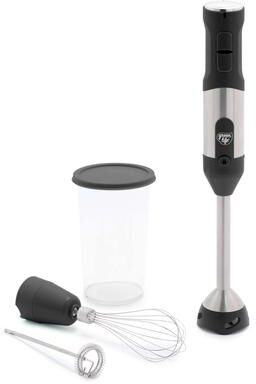
GreenLife Electric Variable Speed Hand BlenderGet three different appliances all in one with this handy stick blender. Designed to save drawer and counter-space, this hard-working hand blender comes with three removable attachments so you can blend, froth, and whisk faster and easier!47,99 $*Shipping: 0,00 $Secure redirect to the provider
-
Love Frequency - 100 Ml Fragrance Charlotte Tilbury 2772 Love Frequency Size:A vibrant union between bold patchouli, sensual woody notes and velvety addictive musks, LOVE FREQUENCY is the alluring and perfect scent of eternal and all-encompassing LOVE. It elicits feelings of LOVE to make your heart dance, with an exceptional scent trail that lasts up to 18 HOURS! TRY ME FIRST! BUY A 100ML BOTTLE AND RECEIVE A FREE 1.5ML SAMPLE TO TRY, WEAR AND FALL IN LOVE WITH - OR YOUR MONEY BACK!§ MAGIC FRAGRANCE NOTES TOP: Addictive pink pepper HEART: Sultry saffron, romantic rose ultimate extract, hypnotic rose essential HEART: Sultry saffron, romantic rose ultimate extract, hypnotic rose essential BASE: Sensual musk, alluring cashmeran, captivating ambery woods, intoxicating patchouli heart130,00 £*Shipping: 0,00 £Secure redirect to the provider
-
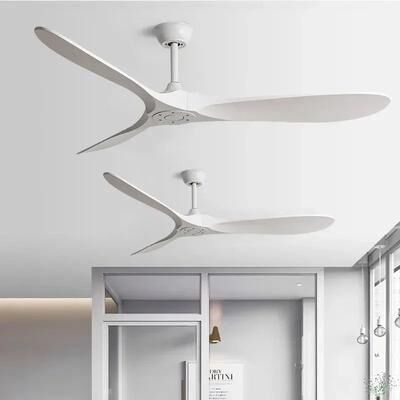
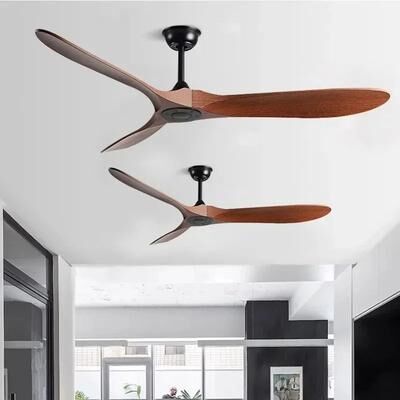
Uplift Essentials Industrial Retro Variable Frequency Ceiling Fan white 42inReimagine your interior climate with this highperformance Nordic Ceiling Fan, a highfidelity airflow solution engineered for both industrial power and American retro elegance. Featuring a sleek 3leaf architecture, this lightfree fan is optimized for...253,97 $*Shipping: 0,00 $Secure redirect to the provider
-
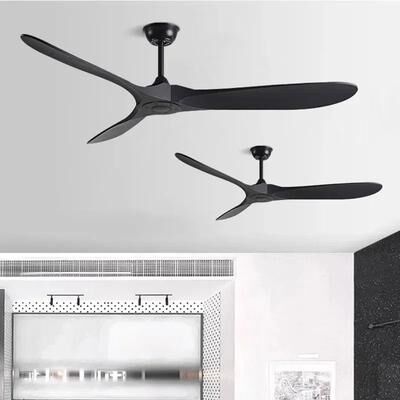
Uplift Essentials Industrial Retro Variable Frequency Ceiling Fan black 52inReimagine your interior climate with this highperformance Nordic Ceiling Fan, a highfidelity airflow solution engineered for both industrial power and American retro elegance. Featuring a sleek 3leaf architecture, this lightfree fan is optimized for...263,97 $*Shipping: 0,00 $Secure redirect to the provider


-
What are the resonance frequency and phase shift at the resonance frequency in an LCR bandpass filter?
In an LCR bandpass filter, the resonance frequency is the frequency at which the impedance of the inductor and capacitor are equal, resulting in maximum current flow through the circuit. At the resonance frequency, the phase shift between the voltage across the inductor and capacitor is zero, meaning they are in phase. This results in constructive interference and maximum output signal at the resonance frequency. **
-
Does a phase-cut dimmer reduce the frequency or the voltage?
A phase-cut dimmer reduces the voltage supplied to the light source, not the frequency. By reducing the voltage, the dimmer controls the amount of power reaching the light, which in turn controls the brightness of the light. The frequency of the electricity supplied to the light remains constant. **
-
How can I create a shortcut with a variable drive letter?
To create a shortcut with a variable drive letter, you can use the %SystemDrive% environment variable in the shortcut's target path. For example, if you want to create a shortcut to a file located in the root directory of the system drive, you can set the target path as %SystemDrive%\filename.extension. This way, the shortcut will always point to the correct location regardless of the actual drive letter assigned to the system drive. **
-
What is a variable and non-variable quantity?
A variable quantity is a quantity that can change or vary, such as the temperature, time, or the price of a product. These quantities can take on different values and are often represented by symbols or letters in mathematical equations. On the other hand, a non-variable quantity is a quantity that remains constant and does not change, such as the speed of light or the number of sides in a triangle. Non-variable quantities are fixed and do not depend on any other factors. **
What is the difference between natural frequency, excitation frequency, and resonance frequency?
Natural frequency is the frequency at which a system naturally vibrates when disturbed from its equilibrium position. Excitation frequency is the frequency at which an external force is applied to a system. Resonance frequency is the frequency at which the amplitude of the system's response is maximized when subjected to an external force at or near its natural frequency. In summary, natural frequency is inherent to the system, excitation frequency is the frequency of the external force, and resonance frequency is the frequency at which the system's response is maximized. **
What is the difference between variable definition and variable initialization?
Variable definition is the process of declaring a variable and specifying its data type, such as int, float, or string. This tells the compiler or interpreter that a variable with a certain name and data type will be used in the program. Variable initialization, on the other hand, is the process of assigning a value to the variable for the first time. This can happen at the same time as the variable is defined, or at a later point in the program. Initialization gives the variable a specific value to work with, while definition simply sets up the variable's characteristics. **
Top-Angebote
Products related to Phase-Variable-Frequency-Drive:
-
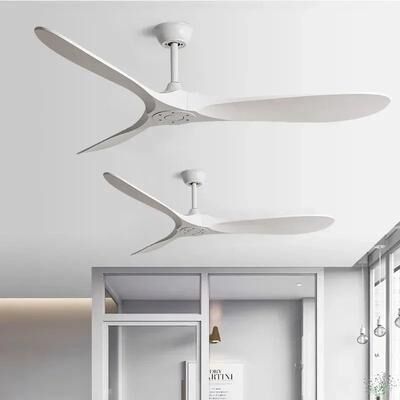
Uplift Essentials Industrial Retro Variable Frequency Ceiling Fan white 52inReimagine your interior climate with this highperformance Nordic Ceiling Fan, a highfidelity airflow solution engineered for both industrial power and American retro elegance. Featuring a sleek 3leaf architecture, this lightfree fan is optimized for...263,97 $*Shipping: 0,00 $Secure redirect to the provider
-
Smeg Variable Temperature Kettle KLF0450's Retro Style Aesthetic Variable 3D Logo Temperature Kettle with Stainless steel body material powder coated. Features include Electronic temperature control, 7 temperature levels and Keep Warm function.259,95 $*Shipping: 0,00 $Secure redirect to the provider
-
GreenLife Electric Variable Speed Hand BlenderGet three different appliances all in one with this handy stick blender. Designed to save drawer and counter-space, this hard-working hand blender comes with three removable attachments so you can blend, froth, and whisk faster and easier!47,99 $*Shipping: 0,00 $Secure redirect to the provider
-
Love Frequency - 100 Ml Fragrance Charlotte Tilbury 2772 Love Frequency Size:A vibrant union between bold patchouli, sensual woody notes and velvety addictive musks, LOVE FREQUENCY is the alluring and perfect scent of eternal and all-encompassing LOVE. It elicits feelings of LOVE to make your heart dance, with an exceptional scent trail that lasts up to 18 HOURS! TRY ME FIRST! BUY A 100ML BOTTLE AND RECEIVE A FREE 1.5ML SAMPLE TO TRY, WEAR AND FALL IN LOVE WITH - OR YOUR MONEY BACK!§ MAGIC FRAGRANCE NOTES TOP: Addictive pink pepper HEART: Sultry saffron, romantic rose ultimate extract, hypnotic rose essential HEART: Sultry saffron, romantic rose ultimate extract, hypnotic rose essential BASE: Sensual musk, alluring cashmeran, captivating ambery woods, intoxicating patchouli heart130,00 £*Shipping: 0,00 £Secure redirect to the provider
-
What are the resonance frequency and phase shift at resonance frequency in an LCR bandpass filter?
In an LCR bandpass filter, the resonance frequency is the frequency at which the inductive and capacitive reactances cancel each other out, resulting in a peak in the filter's response. At resonance frequency, the phase shift between the input and output signals is zero, indicating that the output signal is in phase with the input signal. This means that the voltage across the resistor is at its maximum value, resulting in maximum power transfer through the filter. **
-
Why is the phase difference at resonance frequency 90 degrees?
At resonance frequency, the reactance of the inductor and capacitor cancel each other out, leaving only the resistance in the circuit. This results in a purely resistive circuit at resonance. In a purely resistive circuit, the voltage and current are in phase with each other, meaning the phase difference is 0 degrees. However, in an RLC circuit, the inductor and capacitor introduce a phase shift of 90 degrees between the voltage and current at resonance, resulting in a total phase difference of 90 degrees. **
-
What are the resonance frequency and phase shift at the resonance frequency in an LCR bandpass filter?
In an LCR bandpass filter, the resonance frequency is the frequency at which the impedance of the inductor and capacitor are equal, resulting in maximum current flow through the circuit. At the resonance frequency, the phase shift between the voltage across the inductor and capacitor is zero, meaning they are in phase. This results in constructive interference and maximum output signal at the resonance frequency. **
-
Does a phase-cut dimmer reduce the frequency or the voltage?
A phase-cut dimmer reduces the voltage supplied to the light source, not the frequency. By reducing the voltage, the dimmer controls the amount of power reaching the light, which in turn controls the brightness of the light. The frequency of the electricity supplied to the light remains constant. **
Similar search terms for Phase-Variable-Frequency-Drive
-
Uplift Essentials Industrial Retro Variable Frequency Ceiling Fan white 42inReimagine your interior climate with this highperformance Nordic Ceiling Fan, a highfidelity airflow solution engineered for both industrial power and American retro elegance. Featuring a sleek 3leaf architecture, this lightfree fan is optimized for...253,97 $*Shipping: 0,00 $Secure redirect to the provider
-
Uplift Essentials Industrial Retro Variable Frequency Ceiling Fan black 52inReimagine your interior climate with this highperformance Nordic Ceiling Fan, a highfidelity airflow solution engineered for both industrial power and American retro elegance. Featuring a sleek 3leaf architecture, this lightfree fan is optimized for...263,97 $*Shipping: 0,00 $Secure redirect to the provider
-
Uplift Essentials Industrial Retro Variable Frequency Ceiling Fan black 42inReimagine your interior climate with this highperformance Nordic Ceiling Fan, a highfidelity airflow solution engineered for both industrial power and American retro elegance. Featuring a sleek 3leaf architecture, this lightfree fan is optimized for...253,97 $*Shipping: 0,00 $Secure redirect to the provider
-
Uplift Essentials Industrial Retro Variable Frequency Ceiling Fan black Walnut 52inReimagine your interior climate with this highperformance Nordic Ceiling Fan, a highfidelity airflow solution engineered for both industrial power and American retro elegance. Featuring a sleek 3leaf architecture, this lightfree fan is optimized for...263,97 $*Shipping: 0,00 $Secure redirect to the provider
-
How can I create a shortcut with a variable drive letter?
To create a shortcut with a variable drive letter, you can use the %SystemDrive% environment variable in the shortcut's target path. For example, if you want to create a shortcut to a file located in the root directory of the system drive, you can set the target path as %SystemDrive%\filename.extension. This way, the shortcut will always point to the correct location regardless of the actual drive letter assigned to the system drive. **
-
What is a variable and non-variable quantity?
A variable quantity is a quantity that can change or vary, such as the temperature, time, or the price of a product. These quantities can take on different values and are often represented by symbols or letters in mathematical equations. On the other hand, a non-variable quantity is a quantity that remains constant and does not change, such as the speed of light or the number of sides in a triangle. Non-variable quantities are fixed and do not depend on any other factors. **
-
What is the difference between natural frequency, excitation frequency, and resonance frequency?
Natural frequency is the frequency at which a system naturally vibrates when disturbed from its equilibrium position. Excitation frequency is the frequency at which an external force is applied to a system. Resonance frequency is the frequency at which the amplitude of the system's response is maximized when subjected to an external force at or near its natural frequency. In summary, natural frequency is inherent to the system, excitation frequency is the frequency of the external force, and resonance frequency is the frequency at which the system's response is maximized. **
-
What is the difference between variable definition and variable initialization?
Variable definition is the process of declaring a variable and specifying its data type, such as int, float, or string. This tells the compiler or interpreter that a variable with a certain name and data type will be used in the program. Variable initialization, on the other hand, is the process of assigning a value to the variable for the first time. This can happen at the same time as the variable is defined, or at a later point in the program. Initialization gives the variable a specific value to work with, while definition simply sets up the variable's characteristics. **
* All prices are inclusive of VAT and, if applicable, plus shipping costs. The offer information is based on the details provided by the respective shop and is updated through automated processes. Real-time updates do not occur, so deviations can occur in individual cases. ** Note: Parts of this content were created by AI.