Buy gildafc.eu ?
We are moving the project
gildafc.eu .
Are you interested in purchasing the domain
gildafc.eu ?
domain@kv-gmbh.de · 0541-91531010
Buy gildafc.eu ?
What causes muscle soreness after basketball training?
Muscle soreness after basketball training is typically caused by microscopic damage to muscle fibers, which occurs when muscles are worked harder than they are used to. This damage leads to inflammation and the release of chemicals that can irritate nerve endings, resulting in the sensation of soreness. Additionally, the buildup of lactic acid in the muscles during intense exercise can contribute to muscle soreness. Proper warm-up, cool down, hydration, and stretching can help reduce muscle soreness after basketball training. **
What is muscle soreness in cardio training?
Muscle soreness in cardio training is the discomfort or pain experienced in the muscles after engaging in cardiovascular exercise. This soreness is often a result of the muscles being worked harder than they are used to, leading to microscopic damage and inflammation in the muscle fibers. It is a common and normal response to exercise, especially when starting a new workout routine or increasing the intensity or duration of the workout. Muscle soreness typically peaks 24-72 hours after the workout and gradually subsides as the muscles recover and adapt to the exercise. **

Similar search terms for Soreness
Top-Angebote
Products related to Soreness:
-
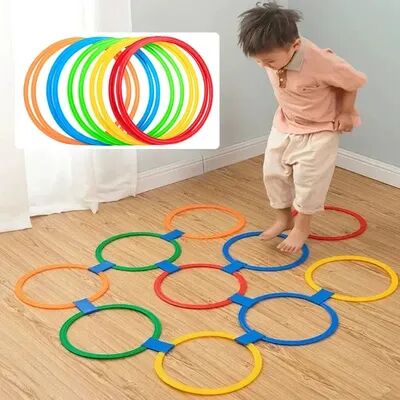
Perfect Picks Market Piece Agility Training Rings Set For Speed Drills Football Training Equipment 10pcs ATurn every outdoor session into an exciting fitness challenge with these agility training rings designed for all ages. Whether you're coaching a team or keeping kids active, this versatile set transforms simple drills into fun, skillbuilding games....34,97 $*Shipping: 0,00 $Secure redirect to the provider
-
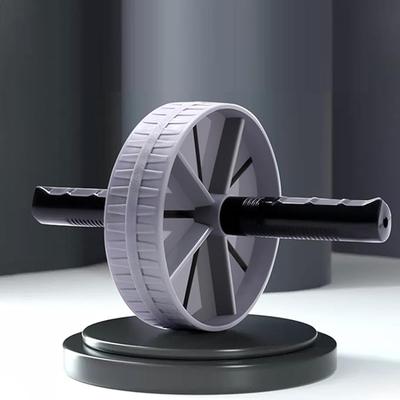
Healfit Counter Home Fitness Equipment, Abdominal Muscle Roller, ABS, Muscle Training, Weight Loss, Core Strength, Gym Accessories Home Fitness Equipment, Abdominal Muscle Roller, ABS, Muscle Training, Weight Loss, Core Strength, Gym AccessoriesTransform your home workouts with the Abdominal Muscle Roller crafted from durable ABS material. Designed to maximize your core strength, this versatile home fitness equipment is perfect for anyone looking to tone their abs, strengthen muscles, and...23,97 $*Shipping: 0,00 $Secure redirect to the provider
-
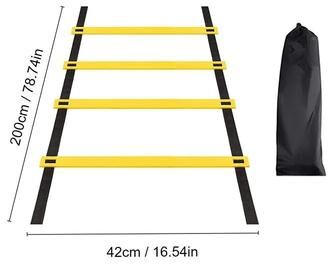
Uplift Picks Adjustable Agility Ladder Speed Training Equipment For Football And Fitness 200 CmBoost your speed, coordination, and performance with dynamic training. This agility ladder is designed to help athletes improve footwork, balance, and quickness in every session. Made for both beginners and advanced users, its perfect for sports...61,48 $*Shipping: 0,00 $Secure redirect to the provider

-
"Does the soreness go away after training?"
Yes, soreness typically goes away after training as the body adapts to the physical stress and the muscles recover. This process is known as delayed onset muscle soreness (DOMS) and usually peaks within 24-72 hours after a workout before gradually subsiding. It's important to listen to your body and allow for proper rest and recovery to help alleviate soreness and prevent injury. Additionally, incorporating stretching, foam rolling, and proper nutrition can also help reduce soreness and aid in recovery. **
-
Is muscle soreness normal with regular training?
Yes, muscle soreness is normal with regular training, especially when starting a new exercise program or increasing the intensity or duration of workouts. This soreness, known as delayed onset muscle soreness (DOMS), is caused by microscopic damage to muscle fibers during exercise. It typically peaks 24-72 hours after a workout and can last for several days. However, as the body adapts to the training, the soreness should decrease over time. It's important to differentiate between normal muscle soreness and pain from injury, and to listen to your body and adjust your training as needed. **
-
How can I prevent muscle soreness after training?
To prevent muscle soreness after training, it is important to properly warm up before exercising and cool down afterwards. Make sure to stretch your muscles before and after your workout to help prevent stiffness and soreness. Hydrating properly before, during, and after your workout can also help reduce muscle soreness. Additionally, gradually increasing the intensity and duration of your workouts can help prevent excessive muscle soreness. **
-
What does training look like with muscle soreness?
Training with muscle soreness can be challenging as it may limit your range of motion and overall performance. It is important to listen to your body and not push through intense soreness, as this can lead to injury. Lighter intensity workouts, focusing on different muscle groups, or incorporating activities like stretching or foam rolling can help alleviate soreness and aid in recovery. It's essential to prioritize rest and proper nutrition to allow your muscles to repair and grow stronger. **


What is said about muscle soreness after training?
Muscle soreness after training is a common phenomenon known as delayed onset muscle soreness (DOMS). It typically occurs 24-48 hours after a workout and is caused by microscopic damage to muscle fibers during exercise. While it can be uncomfortable, it is a normal part of the muscle repair and growth process. Proper rest, hydration, and nutrition can help alleviate muscle soreness and aid in recovery. **
Does EMS training usually not cause muscle soreness?
EMS training can cause muscle soreness, especially for individuals who are new to this type of training or are pushing themselves to higher intensity levels. The electrical impulses used in EMS training can stimulate muscle contractions more intensely than traditional exercise, leading to muscle fatigue and soreness. However, the level of soreness experienced can vary depending on individual fitness levels, the intensity of the training session, and how well the muscles are able to recover post-workout. **
Top-Angebote
Products related to Soreness:
-
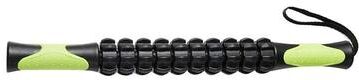
Uplifted Goods Why Choose Our Muscle Roller Stick For Recovery And Soreness Relief blackUnlike rigid rollers or foam rollers that require floor space, this stick lets you target muscles precisely while standing or sitting. You control pressure directly without having to shift your body weight. Perfect For Athletes and gym goers needing...69,97 $*Shipping: 0,00 $Secure redirect to the provider
-
All Categories Goods Agility Speed Training Ladder For Football Footwork & Fitness Heavy Duty Exercise Equipment Agility Speed Training Ladder For Football Footwork & Fitness Heavy Duty Exercise EquipmentBoost your agility and footwork with this 8rung agility ladder, designed to take your fitness and football training to the next level. Whether you're an athlete or a fitness enthusiast, this training ladder will enhance your speed, coordination, and...47,97 $*Shipping: 0,00 $Secure redirect to the provider
-
Perfect Picks Market Piece Agility Training Rings Set For Speed Drills Football Training Equipment 10pcs ATurn every outdoor session into an exciting fitness challenge with these agility training rings designed for all ages. Whether you're coaching a team or keeping kids active, this versatile set transforms simple drills into fun, skillbuilding games....34,97 $*Shipping: 0,00 $Secure redirect to the provider
-
What causes muscle soreness after basketball training?
Muscle soreness after basketball training is typically caused by microscopic damage to muscle fibers, which occurs when muscles are worked harder than they are used to. This damage leads to inflammation and the release of chemicals that can irritate nerve endings, resulting in the sensation of soreness. Additionally, the buildup of lactic acid in the muscles during intense exercise can contribute to muscle soreness. Proper warm-up, cool down, hydration, and stretching can help reduce muscle soreness after basketball training. **
-
What is muscle soreness in cardio training?
Muscle soreness in cardio training is the discomfort or pain experienced in the muscles after engaging in cardiovascular exercise. This soreness is often a result of the muscles being worked harder than they are used to, leading to microscopic damage and inflammation in the muscle fibers. It is a common and normal response to exercise, especially when starting a new workout routine or increasing the intensity or duration of the workout. Muscle soreness typically peaks 24-72 hours after the workout and gradually subsides as the muscles recover and adapt to the exercise. **
-
"Does the soreness go away after training?"
Yes, soreness typically goes away after training as the body adapts to the physical stress and the muscles recover. This process is known as delayed onset muscle soreness (DOMS) and usually peaks within 24-72 hours after a workout before gradually subsiding. It's important to listen to your body and allow for proper rest and recovery to help alleviate soreness and prevent injury. Additionally, incorporating stretching, foam rolling, and proper nutrition can also help reduce soreness and aid in recovery. **
-
Is muscle soreness normal with regular training?
Yes, muscle soreness is normal with regular training, especially when starting a new exercise program or increasing the intensity or duration of workouts. This soreness, known as delayed onset muscle soreness (DOMS), is caused by microscopic damage to muscle fibers during exercise. It typically peaks 24-72 hours after a workout and can last for several days. However, as the body adapts to the training, the soreness should decrease over time. It's important to differentiate between normal muscle soreness and pain from injury, and to listen to your body and adjust your training as needed. **
Similar search terms for Soreness
-
Healfit Counter Home Fitness Equipment, Abdominal Muscle Roller, ABS, Muscle Training, Weight Loss, Core Strength, Gym Accessories Home Fitness Equipment, Abdominal Muscle Roller, ABS, Muscle Training, Weight Loss, Core Strength, Gym AccessoriesTransform your home workouts with the Abdominal Muscle Roller crafted from durable ABS material. Designed to maximize your core strength, this versatile home fitness equipment is perfect for anyone looking to tone their abs, strengthen muscles, and...23,97 $*Shipping: 0,00 $Secure redirect to the provider
-
Uplift Picks Adjustable Agility Ladder Speed Training Equipment For Football And Fitness 200 CmBoost your speed, coordination, and performance with dynamic training. This agility ladder is designed to help athletes improve footwork, balance, and quickness in every session. Made for both beginners and advanced users, its perfect for sports...61,48 $*Shipping: 0,00 $Secure redirect to the provider
-
Uplifted Goods Why Choose Our Muscle Roller Stick For Recovery And Soreness Relief orangeUnlike rigid rollers or foam rollers that require floor space, this stick lets you target muscles precisely while standing or sitting. You control pressure directly without having to shift your body weight. Perfect For Athletes and gym goers needing...69,97 $*Shipping: 0,00 $Secure redirect to the provider
-
Uplifted Goods Why Choose Our Muscle Roller Stick For Recovery And Soreness Relief greenUnlike rigid rollers or foam rollers that require floor space, this stick lets you target muscles precisely while standing or sitting. You control pressure directly without having to shift your body weight. Perfect For Athletes and gym goers needing...69,97 $*Shipping: 0,00 $Secure redirect to the provider
-
How can I prevent muscle soreness after training?
To prevent muscle soreness after training, it is important to properly warm up before exercising and cool down afterwards. Make sure to stretch your muscles before and after your workout to help prevent stiffness and soreness. Hydrating properly before, during, and after your workout can also help reduce muscle soreness. Additionally, gradually increasing the intensity and duration of your workouts can help prevent excessive muscle soreness. **
-
What does training look like with muscle soreness?
Training with muscle soreness can be challenging as it may limit your range of motion and overall performance. It is important to listen to your body and not push through intense soreness, as this can lead to injury. Lighter intensity workouts, focusing on different muscle groups, or incorporating activities like stretching or foam rolling can help alleviate soreness and aid in recovery. It's essential to prioritize rest and proper nutrition to allow your muscles to repair and grow stronger. **
-
What is said about muscle soreness after training?
Muscle soreness after training is a common phenomenon known as delayed onset muscle soreness (DOMS). It typically occurs 24-48 hours after a workout and is caused by microscopic damage to muscle fibers during exercise. While it can be uncomfortable, it is a normal part of the muscle repair and growth process. Proper rest, hydration, and nutrition can help alleviate muscle soreness and aid in recovery. **
-
Does EMS training usually not cause muscle soreness?
EMS training can cause muscle soreness, especially for individuals who are new to this type of training or are pushing themselves to higher intensity levels. The electrical impulses used in EMS training can stimulate muscle contractions more intensely than traditional exercise, leading to muscle fatigue and soreness. However, the level of soreness experienced can vary depending on individual fitness levels, the intensity of the training session, and how well the muscles are able to recover post-workout. **
* All prices are inclusive of VAT and, if applicable, plus shipping costs. The offer information is based on the details provided by the respective shop and is updated through automated processes. Real-time updates do not occur, so deviations can occur in individual cases. ** Note: Parts of this content were created by AI.