Buy gildafc.eu ?
We are moving the project
gildafc.eu .
Are you interested in purchasing the domain
gildafc.eu ?
domain@kv-gmbh.de · 0541-91531010
Buy gildafc.eu ?
Which lice treatment works without combing?
There are some lice treatments available that claim to work without the need for combing, such as certain medicated shampoos or lotions. These products typically contain ingredients that are designed to kill both live lice and their eggs. However, it is important to note that combing is still recommended as a way to physically remove the dead lice and eggs from the hair. Combing can help ensure that all lice and eggs are eliminated, reducing the risk of reinfestation. **
How should I start combing my hair?
To start combing your hair, it is best to first detangle any knots or tangles using a wide-tooth comb or a detangling brush. Start from the ends of your hair and work your way up towards the roots to prevent breakage. Once your hair is detangled, you can then use a fine-tooth comb or a styling brush to style your hair as desired. Remember to be gentle and patient to avoid damaging your hair. **

Similar search terms for Combing
Top-Angebote
Products related to Combing:
-
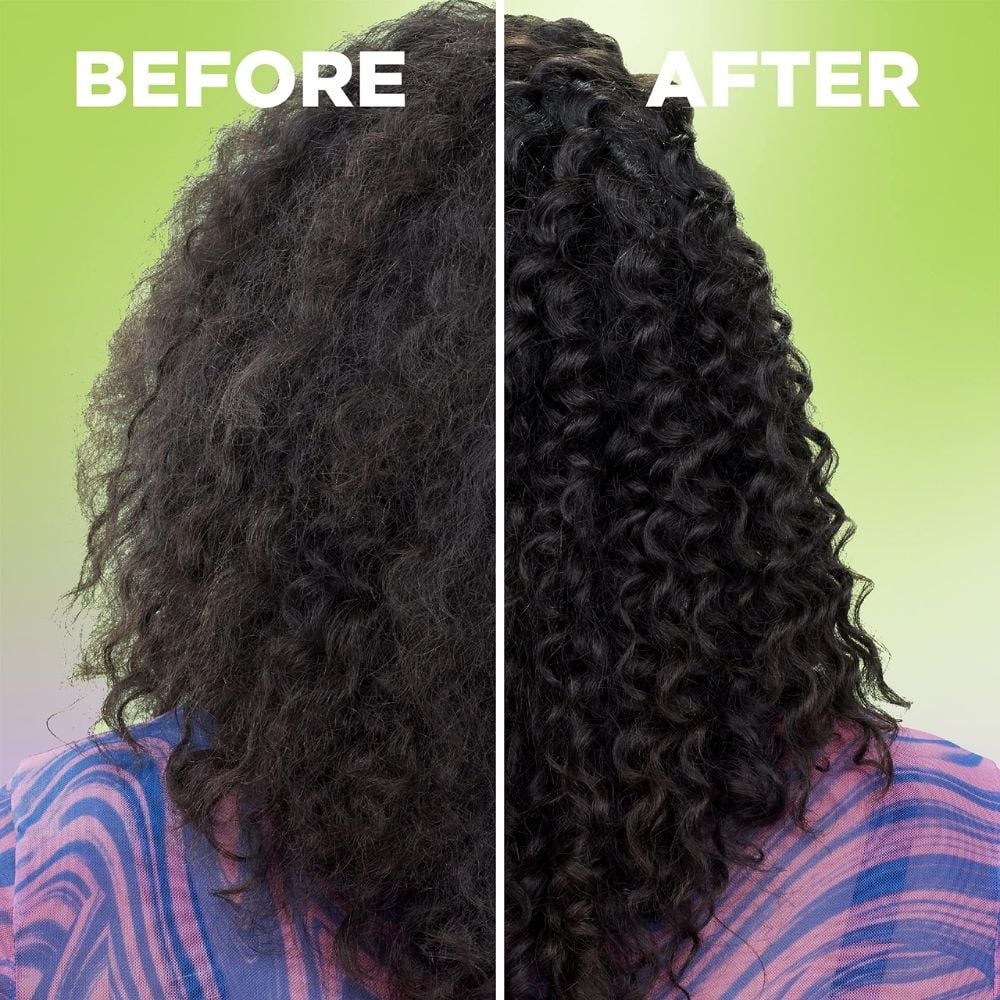
Lola Cosmetics She Is Carioca Styling Combing Cream Curls 3ABC 480gA hair-care product. It expertly crafted to detangle and define curly hair, specifically designed for curl types 3ABC. This lightweight, non-greasy formula combats frizz while providing shine and softness. Defines and enhances curls for a beautiful look. Combats frizz for a smooth finish. Lightweight texture that doesn't weigh hair down.12,95 £*Shipping: 10,02 £Secure redirect to the provider
-
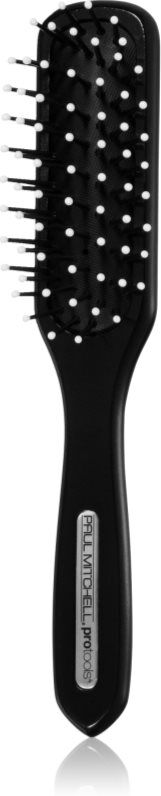
Paul Mitchell PRO TOOLS™ 413 Sculpting Brush hairbrush for easy combing 1 pcPaul Mitchell PRO TOOLS™ 413 Sculpting Brush, 1 pc, Flat brushes for Women, Not only shampoo, conditioner and other hair products are essential for the beauty of your hair. A proper grooming routine starts with regular, thorough but gentle detangling. That's why a hairbrush from Paul MitchellPRO TOOLS™413 Sculpting Brush should not be missing from your kit. As an indispensable helper for both everyday and more complex styling, it will perfectly complement your hair products and help you achieve even softer, smoother and healthier hair that is a joy to touch. Characteristics: the specially designed bristles glide painlessly through tangled hair minimise hair damage suitable for blow-drying hair How to use: Brush your hair slowly and gently to avoid mechanical damage to the hair.9,54 £*Shipping: 3,99 £Secure redirect to the provider
-
All Categories Goods Agility Speed Training Ladder For Football Footwork & Fitness Heavy Duty Exercise Equipment Agility Speed Training Ladder For Football Footwork & Fitness Heavy Duty Exercise EquipmentBoost your agility and footwork with this 8rung agility ladder, designed to take your fitness and football training to the next level. Whether you're an athlete or a fitness enthusiast, this training ladder will enhance your speed, coordination, and...47,97 $*Shipping: 0,00 $Secure redirect to the provider



-
Do hair grow faster by frequent combing?
Frequent combing does not actually make hair grow faster. Hair growth is primarily determined by genetics, hormones, and overall health. However, regular combing can help to distribute natural oils from the scalp along the hair shaft, which can improve the overall health and appearance of the hair. It can also help to prevent tangles and breakage, which can give the appearance of faster growth by reducing the amount of hair that is lost due to breakage. **
-
Why does the scalp hurt after combing?
The scalp can hurt after combing due to a few reasons. One reason is that the comb may be pulling on the hair, causing tension and discomfort in the scalp. Additionally, if the scalp is dry or sensitive, the friction from combing can cause irritation and pain. Finally, if the comb has sharp or rough edges, it can cause small injuries to the scalp, leading to discomfort. **
-
Can someone be addicted to combing their hair?
Yes, someone can potentially be addicted to combing their hair. This behavior could be a manifestation of a psychological condition known as trichotillomania, which is characterized by the compulsive urge to pull out one's hair. In some cases, individuals may also develop a compulsive need to groom or style their hair excessively, leading to a similar addictive pattern of behavior. This type of addiction can have negative impacts on a person's mental and emotional well-being, and it may require professional intervention to address. **
-
Is combing a form of therapy for you?
Yes, combing can be a form of therapy for some people. The repetitive motion of combing can be soothing and calming, and can help to reduce stress and anxiety. Additionally, the act of caring for one's hair can be a form of self-care and self-love, which can have therapeutic benefits. Some people also find that combing their hair can be a meditative practice, allowing them to focus on the present moment and find a sense of peace and relaxation. **

What tips are there for combing tangled hair?
When combing tangled hair, it's important to start from the bottom and work your way up to the roots to avoid causing more tangles and breakage. Use a wide-tooth comb or a detangling brush to gently work through the knots, and consider using a leave-in conditioner or detangling spray to help make the process easier. It's also helpful to divide the hair into smaller sections and be patient, taking your time to gently work through each tangle. Additionally, avoid combing wet hair, as it is more prone to breakage, and consider using a silk or satin pillowcase to reduce tangles while sleeping. **
Is it harmful to stop combing your hair?
It is not necessarily harmful to stop combing your hair, but it can lead to tangles, knots, and potential breakage. Regularly combing or brushing your hair helps distribute natural oils, remove tangles, and prevent hair from becoming matted. However, over-combing or using the wrong type of comb or brush can also cause damage to the hair. It's important to find a balance and use gentle techniques to maintain healthy hair. **
Top-Angebote
Products related to Combing:
-
Garnier Fructis Hydra Curls Combing Cream 400mLA hair-care product. It tailored for curly or wavy hair. Its formula combines bamboo extract and filloxane, enhancing curl structure for silky and soft results. Paraben-free and fortified with fruit-derived active ingredients, including Vitamin B3, B6, and fruit and plant extracts, it promotes healthier and stronger hair.7,64 £*Shipping: 10,02 £Secure redirect to the provider
-
On Spot Shop Long Haired Dog Combing Brush, Pet For Dog Combing Special Comb To Remove Floating Hair Needle Comb Pet Grooming blueProfessional Pet Grooming Made Simple Give your furry friend the comfort they deserve with the Pet for dog combing special comb longhaired dog to remove floating hair needle comb pet dog combing brush pet supplies. Designed for everyday grooming,...22,97 $*Shipping: 0,00 $Secure redirect to the provider
-
Lola Cosmetics She Is Carioca Styling Combing Cream Curls 3ABC 480gA hair-care product. It expertly crafted to detangle and define curly hair, specifically designed for curl types 3ABC. This lightweight, non-greasy formula combats frizz while providing shine and softness. Defines and enhances curls for a beautiful look. Combats frizz for a smooth finish. Lightweight texture that doesn't weigh hair down.12,95 £*Shipping: 10,02 £Secure redirect to the provider
-
Paul Mitchell PRO TOOLS™ 413 Sculpting Brush hairbrush for easy combing 1 pcPaul Mitchell PRO TOOLS™ 413 Sculpting Brush, 1 pc, Flat brushes for Women, Not only shampoo, conditioner and other hair products are essential for the beauty of your hair. A proper grooming routine starts with regular, thorough but gentle detangling. That's why a hairbrush from Paul MitchellPRO TOOLS™413 Sculpting Brush should not be missing from your kit. As an indispensable helper for both everyday and more complex styling, it will perfectly complement your hair products and help you achieve even softer, smoother and healthier hair that is a joy to touch. Characteristics: the specially designed bristles glide painlessly through tangled hair minimise hair damage suitable for blow-drying hair How to use: Brush your hair slowly and gently to avoid mechanical damage to the hair.9,54 £*Shipping: 3,99 £Secure redirect to the provider
-
Which lice treatment works without combing?
There are some lice treatments available that claim to work without the need for combing, such as certain medicated shampoos or lotions. These products typically contain ingredients that are designed to kill both live lice and their eggs. However, it is important to note that combing is still recommended as a way to physically remove the dead lice and eggs from the hair. Combing can help ensure that all lice and eggs are eliminated, reducing the risk of reinfestation. **
-
How should I start combing my hair?
To start combing your hair, it is best to first detangle any knots or tangles using a wide-tooth comb or a detangling brush. Start from the ends of your hair and work your way up towards the roots to prevent breakage. Once your hair is detangled, you can then use a fine-tooth comb or a styling brush to style your hair as desired. Remember to be gentle and patient to avoid damaging your hair. **
-
Do hair grow faster by frequent combing?
Frequent combing does not actually make hair grow faster. Hair growth is primarily determined by genetics, hormones, and overall health. However, regular combing can help to distribute natural oils from the scalp along the hair shaft, which can improve the overall health and appearance of the hair. It can also help to prevent tangles and breakage, which can give the appearance of faster growth by reducing the amount of hair that is lost due to breakage. **
-
Why does the scalp hurt after combing?
The scalp can hurt after combing due to a few reasons. One reason is that the comb may be pulling on the hair, causing tension and discomfort in the scalp. Additionally, if the scalp is dry or sensitive, the friction from combing can cause irritation and pain. Finally, if the comb has sharp or rough edges, it can cause small injuries to the scalp, leading to discomfort. **
Similar search terms for Combing
-
All Categories Goods Agility Speed Training Ladder For Football Footwork & Fitness Heavy Duty Exercise Equipment Agility Speed Training Ladder For Football Footwork & Fitness Heavy Duty Exercise EquipmentBoost your agility and footwork with this 8rung agility ladder, designed to take your fitness and football training to the next level. Whether you're an athlete or a fitness enthusiast, this training ladder will enhance your speed, coordination, and...47,97 $*Shipping: 0,00 $Secure redirect to the provider
-
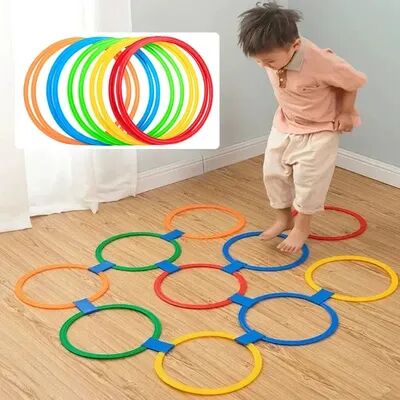
Perfect Picks Market Piece Agility Training Rings Set For Speed Drills Football Training Equipment 10pcs ATurn every outdoor session into an exciting fitness challenge with these agility training rings designed for all ages. Whether you're coaching a team or keeping kids active, this versatile set transforms simple drills into fun, skillbuilding games....34,97 $*Shipping: 0,00 $Secure redirect to the provider
-
On Spot Shop Long Haired Dog Combing Brush, Pet For Dog Combing Special Comb To Remove Floating Hair Needle Comb Pet Grooming pinkProfessional Pet Grooming Made Simple Give your furry friend the comfort they deserve with the Pet for dog combing special comb longhaired dog to remove floating hair needle comb pet dog combing brush pet supplies. Designed for everyday grooming,...22,97 $*Shipping: 0,00 $Secure redirect to the provider
-
Can someone be addicted to combing their hair?
Yes, someone can potentially be addicted to combing their hair. This behavior could be a manifestation of a psychological condition known as trichotillomania, which is characterized by the compulsive urge to pull out one's hair. In some cases, individuals may also develop a compulsive need to groom or style their hair excessively, leading to a similar addictive pattern of behavior. This type of addiction can have negative impacts on a person's mental and emotional well-being, and it may require professional intervention to address. **
-
Is combing a form of therapy for you?
Yes, combing can be a form of therapy for some people. The repetitive motion of combing can be soothing and calming, and can help to reduce stress and anxiety. Additionally, the act of caring for one's hair can be a form of self-care and self-love, which can have therapeutic benefits. Some people also find that combing their hair can be a meditative practice, allowing them to focus on the present moment and find a sense of peace and relaxation. **
-
What tips are there for combing tangled hair?
When combing tangled hair, it's important to start from the bottom and work your way up to the roots to avoid causing more tangles and breakage. Use a wide-tooth comb or a detangling brush to gently work through the knots, and consider using a leave-in conditioner or detangling spray to help make the process easier. It's also helpful to divide the hair into smaller sections and be patient, taking your time to gently work through each tangle. Additionally, avoid combing wet hair, as it is more prone to breakage, and consider using a silk or satin pillowcase to reduce tangles while sleeping. **
-
Is it harmful to stop combing your hair?
It is not necessarily harmful to stop combing your hair, but it can lead to tangles, knots, and potential breakage. Regularly combing or brushing your hair helps distribute natural oils, remove tangles, and prevent hair from becoming matted. However, over-combing or using the wrong type of comb or brush can also cause damage to the hair. It's important to find a balance and use gentle techniques to maintain healthy hair. **
* All prices are inclusive of VAT and, if applicable, plus shipping costs. The offer information is based on the details provided by the respective shop and is updated through automated processes. Real-time updates do not occur, so deviations can occur in individual cases. ** Note: Parts of this content were created by AI.