Buy gildafc.eu ?
We are moving the project
gildafc.eu .
Are you interested in purchasing the domain
gildafc.eu ?
domain@kv-gmbh.de · 0541-91531010
Buy gildafc.eu ?
Which plants are decomposers or decomposers?
Decomposers are organisms that break down dead organic matter, such as leaves, wood, and other plant material. Fungi, such as mushrooms and molds, are the primary decomposers in most ecosystems. Some bacteria and insects also play a role in decomposition. Plants, on the other hand, are not typically decomposers. They are usually producers, using sunlight to create energy through photosynthesis. **
What are decomposers?
Decomposers are organisms that break down dead organic matter, such as dead plants and animals, into simpler substances. They play a crucial role in the ecosystem by recycling nutrients back into the soil, which can then be used by plants for growth. Examples of decomposers include bacteria, fungi, and certain types of insects. Without decomposers, dead organic matter would accumulate and nutrients would not be recycled, leading to a disruption in the balance of the ecosystem. **


Similar search terms for Decomposers
Top-Angebote
Products related to Decomposers:
-
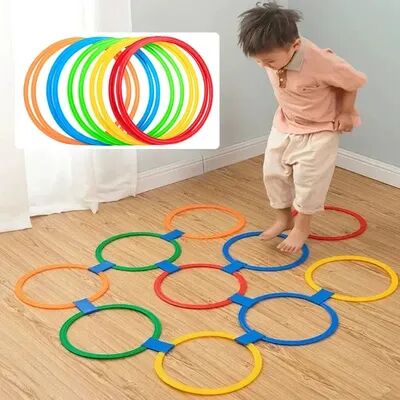
Perfect Picks Market Piece Agility Training Rings Set For Speed Drills Football Training Equipment 10pcs ATurn every outdoor session into an exciting fitness challenge with these agility training rings designed for all ages. Whether you're coaching a team or keeping kids active, this versatile set transforms simple drills into fun, skillbuilding games....34,97 $*Shipping: 0,00 $Secure redirect to the provider
-
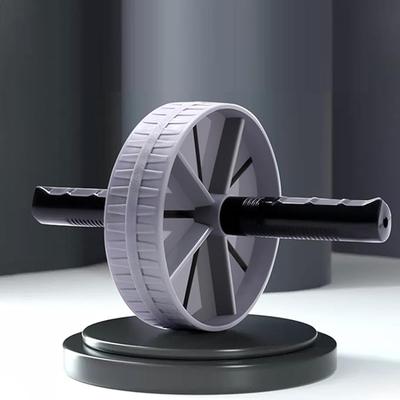
Healfit Counter Home Fitness Equipment, Abdominal Muscle Roller, ABS, Muscle Training, Weight Loss, Core Strength, Gym Accessories Home Fitness Equipment, Abdominal Muscle Roller, ABS, Muscle Training, Weight Loss, Core Strength, Gym AccessoriesTransform your home workouts with the Abdominal Muscle Roller crafted from durable ABS material. Designed to maximize your core strength, this versatile home fitness equipment is perfect for anyone looking to tone their abs, strengthen muscles, and...23,97 $*Shipping: 0,00 $Secure redirect to the provider
-
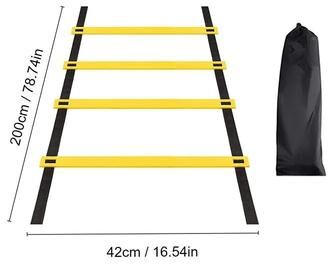
Uplift Picks Adjustable Agility Ladder Speed Training Equipment For Football And Fitness 200 CmBoost your speed, coordination, and performance with dynamic training. This agility ladder is designed to help athletes improve footwork, balance, and quickness in every session. Made for both beginners and advanced users, its perfect for sports...61,48 $*Shipping: 0,00 $Secure redirect to the provider
-
Perfect Picks Market Piece Agility Training Rings Set For Speed Drills Football Training Equipment 10pcs BTurn every outdoor session into an exciting fitness challenge with these agility training rings designed for all ages. Whether you're coaching a team or keeping kids active, this versatile set transforms simple drills into fun, skillbuilding games....39,97 $*Shipping: 0,00 $Secure redirect to the provider

-
Are these the decomposers?
Yes, the organisms in the image are decomposers. Decomposers are organisms that break down dead organic matter, such as leaves, wood, and other plant material, into simpler substances. They play a crucial role in the ecosystem by recycling nutrients and returning them to the soil for use by plants. The organisms in the image appear to be fungi and bacteria, which are common decomposers in many ecosystems. **
-
What are producers, consumers, and decomposers?
Producers are organisms that create their own food through photosynthesis or chemosynthesis, such as plants and some types of bacteria. Consumers are organisms that obtain their energy by consuming other organisms, such as animals that eat plants or other animals. Decomposers are organisms that break down dead organic matter, such as fungi and bacteria, returning nutrients to the soil for producers to use again. Together, these three groups play a vital role in the flow of energy and nutrients in an ecosystem. **
-
What is a good explanation for decomposers?
Decomposers play a crucial role in ecosystems by breaking down dead organic matter, such as plants and animals, into simpler substances. This process releases nutrients back into the soil, which can then be used by plants for growth. Without decomposers, dead organic matter would accumulate, leading to a decrease in nutrient availability and hindering the recycling of essential elements in the ecosystem. Ultimately, decomposers help maintain the balance and health of ecosystems by facilitating the breakdown and recycling of organic matter. **
-
What are the tasks of the decomposers?
Decomposers play a crucial role in breaking down dead organic matter, such as dead plants and animals, into simpler substances like carbon dioxide, water, and minerals. By doing so, they help to recycle nutrients back into the ecosystem, making them available for other organisms to use. Decomposers also help to clean up and remove waste from the environment, contributing to the overall health and balance of ecosystems. **
Do decomposers exist in desert ecosystems at all?
Yes, decomposers do exist in desert ecosystems. While the extreme conditions of deserts, such as low moisture and high temperatures, can limit the abundance and diversity of decomposers, there are still organisms that play a role in breaking down organic matter. These may include bacteria, fungi, and invertebrates like termites and ants. Their activity is important for nutrient cycling and soil formation in desert environments. **
What is the energy source for consumers, producers, and decomposers?
The energy source for consumers, producers, and decomposers is the sun. Producers, such as plants, use sunlight to convert carbon dioxide and water into energy through the process of photosynthesis. Consumers, such as animals, obtain their energy by consuming producers or other consumers. Decomposers, such as bacteria and fungi, break down organic matter and release the energy stored in the matter back into the ecosystem. Ultimately, all energy in an ecosystem can be traced back to the sun. **
Top-Angebote
Products related to Decomposers:
-
All Categories Goods Agility Speed Training Ladder For Football Footwork & Fitness Heavy Duty Exercise Equipment Agility Speed Training Ladder For Football Footwork & Fitness Heavy Duty Exercise EquipmentBoost your agility and footwork with this 8rung agility ladder, designed to take your fitness and football training to the next level. Whether you're an athlete or a fitness enthusiast, this training ladder will enhance your speed, coordination, and...47,97 $*Shipping: 0,00 $Secure redirect to the provider
-
Perfect Picks Market Piece Agility Training Rings Set For Speed Drills Football Training Equipment 10pcs ATurn every outdoor session into an exciting fitness challenge with these agility training rings designed for all ages. Whether you're coaching a team or keeping kids active, this versatile set transforms simple drills into fun, skillbuilding games....34,97 $*Shipping: 0,00 $Secure redirect to the provider
-
Healfit Counter Home Fitness Equipment, Abdominal Muscle Roller, ABS, Muscle Training, Weight Loss, Core Strength, Gym Accessories Home Fitness Equipment, Abdominal Muscle Roller, ABS, Muscle Training, Weight Loss, Core Strength, Gym AccessoriesTransform your home workouts with the Abdominal Muscle Roller crafted from durable ABS material. Designed to maximize your core strength, this versatile home fitness equipment is perfect for anyone looking to tone their abs, strengthen muscles, and...23,97 $*Shipping: 0,00 $Secure redirect to the provider
-
Which plants are decomposers or decomposers?
Decomposers are organisms that break down dead organic matter, such as leaves, wood, and other plant material. Fungi, such as mushrooms and molds, are the primary decomposers in most ecosystems. Some bacteria and insects also play a role in decomposition. Plants, on the other hand, are not typically decomposers. They are usually producers, using sunlight to create energy through photosynthesis. **
-
What are decomposers?
Decomposers are organisms that break down dead organic matter, such as dead plants and animals, into simpler substances. They play a crucial role in the ecosystem by recycling nutrients back into the soil, which can then be used by plants for growth. Examples of decomposers include bacteria, fungi, and certain types of insects. Without decomposers, dead organic matter would accumulate and nutrients would not be recycled, leading to a disruption in the balance of the ecosystem. **
-
Are these the decomposers?
Yes, the organisms in the image are decomposers. Decomposers are organisms that break down dead organic matter, such as leaves, wood, and other plant material, into simpler substances. They play a crucial role in the ecosystem by recycling nutrients and returning them to the soil for use by plants. The organisms in the image appear to be fungi and bacteria, which are common decomposers in many ecosystems. **
-
What are producers, consumers, and decomposers?
Producers are organisms that create their own food through photosynthesis or chemosynthesis, such as plants and some types of bacteria. Consumers are organisms that obtain their energy by consuming other organisms, such as animals that eat plants or other animals. Decomposers are organisms that break down dead organic matter, such as fungi and bacteria, returning nutrients to the soil for producers to use again. Together, these three groups play a vital role in the flow of energy and nutrients in an ecosystem. **
Similar search terms for Decomposers
-
Uplift Picks Adjustable Agility Ladder Speed Training Equipment For Football And Fitness 200 CmBoost your speed, coordination, and performance with dynamic training. This agility ladder is designed to help athletes improve footwork, balance, and quickness in every session. Made for both beginners and advanced users, its perfect for sports...61,48 $*Shipping: 0,00 $Secure redirect to the provider
-
Perfect Picks Market Piece Agility Training Rings Set For Speed Drills Football Training Equipment 10pcs BTurn every outdoor session into an exciting fitness challenge with these agility training rings designed for all ages. Whether you're coaching a team or keeping kids active, this versatile set transforms simple drills into fun, skillbuilding games....39,97 $*Shipping: 0,00 $Secure redirect to the provider
-
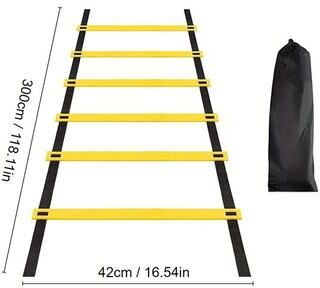
Uplift Picks Adjustable Agility Ladder Speed Training Equipment For Football And Fitness 300 CmBoost your speed, coordination, and performance with dynamic training. This agility ladder is designed to help athletes improve footwork, balance, and quickness in every session. Made for both beginners and advanced users, its perfect for sports...61,98 $*Shipping: 0,00 $Secure redirect to the provider
-
Uplift Picks Adjustable Agility Ladder Speed Training Equipment For Football And Fitness 8 MBoost your speed, coordination, and performance with dynamic training. This agility ladder is designed to help athletes improve footwork, balance, and quickness in every session. Made for both beginners and advanced users, its perfect for sports...66,48 $*Shipping: 0,00 $Secure redirect to the provider
-
What is a good explanation for decomposers?
Decomposers play a crucial role in ecosystems by breaking down dead organic matter, such as plants and animals, into simpler substances. This process releases nutrients back into the soil, which can then be used by plants for growth. Without decomposers, dead organic matter would accumulate, leading to a decrease in nutrient availability and hindering the recycling of essential elements in the ecosystem. Ultimately, decomposers help maintain the balance and health of ecosystems by facilitating the breakdown and recycling of organic matter. **
-
What are the tasks of the decomposers?
Decomposers play a crucial role in breaking down dead organic matter, such as dead plants and animals, into simpler substances like carbon dioxide, water, and minerals. By doing so, they help to recycle nutrients back into the ecosystem, making them available for other organisms to use. Decomposers also help to clean up and remove waste from the environment, contributing to the overall health and balance of ecosystems. **
-
Do decomposers exist in desert ecosystems at all?
Yes, decomposers do exist in desert ecosystems. While the extreme conditions of deserts, such as low moisture and high temperatures, can limit the abundance and diversity of decomposers, there are still organisms that play a role in breaking down organic matter. These may include bacteria, fungi, and invertebrates like termites and ants. Their activity is important for nutrient cycling and soil formation in desert environments. **
-
What is the energy source for consumers, producers, and decomposers?
The energy source for consumers, producers, and decomposers is the sun. Producers, such as plants, use sunlight to convert carbon dioxide and water into energy through the process of photosynthesis. Consumers, such as animals, obtain their energy by consuming producers or other consumers. Decomposers, such as bacteria and fungi, break down organic matter and release the energy stored in the matter back into the ecosystem. Ultimately, all energy in an ecosystem can be traced back to the sun. **
* All prices are inclusive of VAT and, if applicable, plus shipping costs. The offer information is based on the details provided by the respective shop and is updated through automated processes. Real-time updates do not occur, so deviations can occur in individual cases. ** Note: Parts of this content were created by AI.